

Gardening Jobs in July: What to Do in Your Garden This Summer
July is one of the busiest months in the gardening calendar. With longer days, warmer temperatures and plants putting on plenty of growth, there is always something to do in the garden. From keeping plants watered and deadheading flowers to harvesting home-grown crops and keeping weeds under control, a little regular maintenance can make a big difference to how your garden looks and performs throughout summer. If you're wondering what to do in the garden in July, here are some of the key gardening jobs to add to your list this month.
1. Keep plants well watered
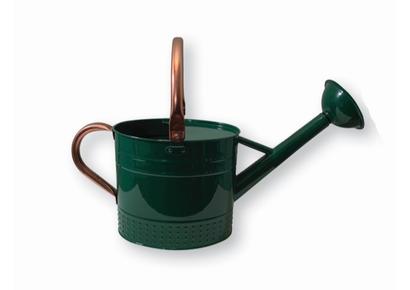
Watering is one of the most important July gardening jobs, particularly during periods of warm, dry weather.
Newly planted plants, containers and crops growing in sunny or sheltered positions can dry out quickly. Rather than giving plants a little water every day, aim to water thoroughly when the soil is dry, concentrating water around the base of the plant where it can reach the roots. Watering in the morning or evening can also help reduce evaporation. If you collect rainwater, July is a good reminder to make the most of it. Using stored rainwater where possible is a simple way to make your summer watering routine more sustainable.
2. Keep on top of weeds
Summer warmth means weeds can grow just as quickly as the plants you actually want in your garden.
Regularly removing weeds while they are still small can prevent them from competing with plants for water, light and nutrients. Hoeing between rows of vegetables on a dry day is particularly effective, while a hand weeder can help tackle individual weeds around borders and beds. Spear & Jackson has a range of hand tools designed for everyday garden maintenance, making it easier to tackle those smaller jobs before they become bigger ones. Remember, not every plant growing where you didn't expect it is necessarily a problem. Leaving some weeds and wild plants in less formal areas of the garden can provide valuable food and habitat for wildlife.
3. Deadhead flowers regularly
If your summer borders are looking colourful, regular deadheading can help keep them looking their best.
Removing faded flowers prevents plants from putting unnecessary energy into seed production and can encourage some plants to produce more blooms. A pair of sharp secateurs makes light work of deadheading, particularly when working through larger borders. Look for a clean cut just above a healthy set of leaves or a suitable flowering point. With Spear & Jackson secateurs to hand, deadheading can become a quick job to add to your regular summer garden routine.
4. Harvest your fruit and vegetables
July is an exciting month for anyone growing their own food. Courgettes, beans, berries and many other summer crops can quickly go from ready to overripe, so check your vegetable beds and fruit plants regularly. Picking crops little and often encourages many plants to keep producing. Courgettes are a particularly good example – picking them while they are still young and tender can also help prevent them becoming oversized. Take the opportunity to inspect fruit trees and bushes too. Heavily laden branches may need additional support to prevent them from bending or snapping.
5. Look after your lawn
Your lawn can take a lot of wear during summer, especially when the garden is being used more frequently.
Continue mowing regularly, but avoid cutting the grass too short during hot, dry weather. A slightly longer lawn can help it cope better with dry conditions. If your lawn is looking tired, July can also be a good time to assess what it needs before making any major changes later in the year.
6. Give climbing plants and vegetables some support
Fast-growing plants can quickly outgrow their supports during July. Check climbing beans, tomatoes and other vigorous plants regularly and tie in new growth where necessary. Keeping plants supported helps prevent stems from becoming damaged and keeps fruit and foliage off the ground. This is also a good opportunity to check plant supports, ties and structures to make sure everything is secure after periods of wind or heavy rain.
7. Check plants for pests and problems
Regularly walking around your garden is one of the easiest ways to spot problems early. Look underneath leaves and around new growth for signs of pests, while keeping an eye out for damaged, discoloured or wilting foliage. Not every pest needs to be removed. Aphids, for example, are part of the garden food chain and can provide food for birds and other beneficial insects. Instead, monitor plants and intervene where damage becomes significant.
Make the most of your summer garden
July is a month for enjoying the garden as much as maintaining it. A few minutes spent watering, weeding, deadheading and harvesting regularly can keep things looking their best without allowing jobs to pile up. Keep a few reliable garden tools close at hand and those everyday jobs become much easier. From secateurs and hand tools to digging and pruning tools, Spear & Jackson has been helping gardeners tackle jobs around the garden for generations.
So grab your tools, make the most of the longer evenings and enjoy everything your garden has to offer this summer.

The Author
