

What to Do in the Garden in October: Essential Autumn Gardening Jobs
October is a beautiful time in the garden, with autumn colours appearing, leaves beginning to fall and the last of the summer flowers gradually fading. It's also an important month for preparing your garden for winter while making a head start on next spring.
Whether you're tending flower beds, looking after your lawn or harvesting the last of your homegrown produce, there are plenty of jobs to keep you busy outdoors.
Here are nine essential gardening jobs to tackle this October.
1. Plant spring-flowering bulbs
One of the most rewarding gardening jobs in October is planting bulbs for a colourful display next spring.
Daffodils, crocuses and many other spring-flowering bulbs can be planted during autumn, giving them time to establish before the warmer weather returns. October is also a good time to start planting tulips, which are generally best planted later in autumn.
Choose a sunny or partially shaded position, depending on the variety, and plant your bulbs at the depth recommended on the packaging.
You can plant them in borders, containers or naturalise them in areas of lawn for a more informal display. For containers, try combining different varieties to create a succession of colour throughout spring.
A little preparation now can transform your garden when the first signs of spring appear.
2. Keep on top of falling leaves
As autumn progresses, fallen leaves will become one of the most noticeable features of the garden.
Although it might be tempting to clear every leaf away, they can be valuable for wildlife and soil health. Leaves left on borders can provide shelter for beneficial insects and other garden creatures, while collected leaves can be turned into leaf mould to improve the soil.
However, it's worth regularly clearing leaves from lawns, paths and patios. A thick layer on grass can block light and restrict healthy growth, while wet leaves can make hard surfaces slippery.
Gather suitable leaves into a dedicated pile or leaf bin and allow them to break down naturally. Avoid adding leaves affected by persistent plant diseases to your leaf mould pile.
Keeping on top of leaf fall little and often can make autumn garden maintenance much more manageable.
3. Give your lawn some autumn care
October is a useful time to assess your lawn and give it some attention before winter sets in.
Continue removing fallen leaves and debris, and mow if necessary while the grass is still growing. Raise the cutting height slightly compared with summer, and avoid mowing when the ground is waterlogged, frosty or particularly wet.
If your lawn has become compacted, aerating it with a garden fork can help improve drainage and allow air to reach the roots. Push the fork into the ground at regular intervals, gently easing it backwards to create small holes.
You can also repair bare patches or lay new turf while conditions remain suitable, although success will depend on soil temperature and local weather. A little autumn lawn care can help your grass remain healthier through winter and prepare it for fresh growth next spring.
4. Protect tender plants from colder weather
As temperatures begin to drop, it's important to think about plants that may struggle with frost.
Tender plants grown in pots can often be moved into a greenhouse, conservatory or another suitable frost-free space. If moving them isn't practical, consider using horticultural fleece or another appropriate protective covering.
Pay particular attention to tropical plants, tender perennials and plants that have spent the summer outdoors but aren't suited to colder conditions.
It's also worth checking the weather forecast regularly so you can take action before the first frost arrives.
Remember that not every plant needs to be brought indoors or covered. Many established trees, shrubs and hardy perennials are well suited to the British climate and can remain outside throughout winter.
5. Harvest the last of your autumn crops
October can still be a productive month for anyone growing their own fruit and vegetables.
Depending on what you've planted and your local conditions, you may be harvesting apples, pears, pumpkins, squash, root vegetables and the last of your outdoor tomatoes. Check crops regularly and harvest them when they're ready. Remove damaged or rotting fruit and vegetables to help reduce the risk of pests and disease.
If you're growing pumpkins or squash, make sure they have developed their characteristic colour and a firm skin before harvesting. Store suitable crops in a cool, dry place, checking them regularly for signs of deterioration.
You can also begin clearing finished vegetable crops. Remove diseased or damaged material, while leaving healthy roots in the soil where appropriate to help return organic matter as they break down.
Once beds are cleared, adding a layer of well-rotted compost can help protect and improve the soil for next season.
6. Plant trees and shrubs
Autumn can be an excellent time to plant trees and shrubs, as the soil may remain relatively warm while cooler temperatures and seasonal rainfall help plants establish their roots. October is a good opportunity to introduce new plants, fill gaps in borders or start planning a new section of the garden.
Choose plants suited to your soil type, available space and growing conditions. Before planting, remove weeds and prepare the ground by loosening the soil and incorporating organic matter where appropriate.
A sturdy digging spade can help you prepare planting holes and work the soil, while a garden fork can be useful for loosening compacted ground. After planting, water thoroughly and continue checking moisture levels during dry spells. Newly planted trees and shrubs still need attention even when the weather is cooler.
With the right preparation, autumn planting gives many plants a valuable head start before the following growing season.
7. Tidy borders without removing everything
As summer-flowering plants fade, it's natural to want to tidy up your borders. However, a completely cleared garden isn't always the best option for wildlife. Remove dead, diseased or collapsed growth where necessary, but consider leaving healthy seed heads and standing stems over winter. These can provide food, shelter and overwintering habitats for garden wildlife.
Some perennials benefit from being cut back in autumn, while others are better left until late winter or early spring. Check the requirements of individual plants before pruning or removing their growth.
For plants that do need attention, sharp secateurs are useful for smaller stems, while loppers or a pruning saw may be better suited to thicker branches. Take the opportunity to remove persistent weeds and check around the base of plants for any signs of disease.
A selective approach to autumn garden tidying helps keep borders manageable while preserving some of the natural features that make a garden valuable to wildlife.
8. Clean and care for your garden tools
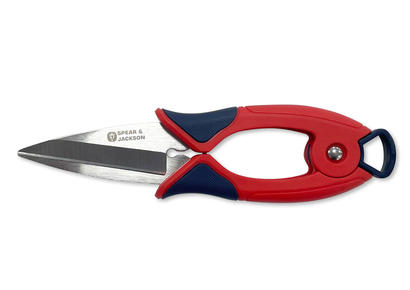
Autumn is an ideal time to give your gardening tools a little extra attention, particularly those you've relied on throughout the growing season. Start by removing soil, mud and plant debris from digging tools such as spades and forks. Wipe metal surfaces dry to help prevent rust, and check handles and fixings for signs of wear. Secateurs, loppers and pruning saws also benefit from regular cleaning. Remove sap and residue from cutting blades, dry them thoroughly and follow the manufacturer's guidance for maintenance and sharpening.
For tools with moving parts, check that mechanisms operate smoothly and apply suitable maintenance oil where recommended.
Spear & Jackson has been making garden tools for generations, with a range designed for jobs throughout the gardening year. Taking care of your tools now helps keep them ready for the next task, whether that's planting bulbs, pruning shrubs or preparing the soil.
9. Start planning for next year's garden
Although the garden is gradually winding down for winter, October is a good time to start thinking about what you'd like to achieve next year. Look back at the past growing season. Which plants thrived? Which areas struggled? Were there any gaps in your borders, or vegetables you'd like to grow again?
You could also collect seeds from suitable plants, label them clearly and store them according to their requirements. Check that the seeds are healthy and mature before saving them. If you're planning new beds or borders, take photographs and make notes about planting combinations, colour schemes and areas that need attention. Autumn is also a good time to review your garden tools and identify anything that needs cleaning, repairing or replacing before spring arrives. A little planning now can make the first busy weeks of the new gardening season feel much more organised.
Make the Most of Your Garden This October
October is a month of transition, but there's still plenty to enjoy and achieve in the garden.
From planting spring bulbs and caring for your lawn to harvesting autumn crops and protecting tender plants, a few well-timed jobs can help keep your garden healthy throughout the colder months.
Remember that autumn gardening isn't simply about clearing everything away for winter. Leaving some natural growth in place, improving your soil and making thoughtful planting choices can all help your garden thrive in the seasons ahead.
And don't forget your tools! From Spear & Jackson digging spades and garden forks to secateurs, loppers and pruning saws, having the right equipment to hand can make seasonal gardening jobs easier and help you get the most out of your time outdoors.
With a little care and preparation this October, you can enjoy the beauty of autumn while laying the groundwork for a garden full of life next spring.

The Author
